Showing posts with label Fruity veggie packs. Show all posts

Thursday, 16 October 2008

Papaya...papaya..too good for good health.

Food ValuePapaya is regarded as a wholesome fruit. The daily requirements of some of the essential nutrients like proteins, mineral and vitamins can be met from this fruit. The vitamin C contents in papaya increases as the maturity progresses. Its carbohydrate content is mainly of invert sugar which is a form of predigested food.

Natural Benefits and Curative Properties
The papaya has remarkable medicinal virtues which were fully recognised even in ancient times. It is not only one of the most easily digested fruits, but it also aids the digestion of other foods. Ripe papaya is excellent tonic for growing children, for pregnant women and nursing mothers. It is an energy giving food.

Intestinal DisordersPapain in the raw papaya is highly beneficial in the deficiency of gastric juice, excess of unhealthy mucus in the stomach, in dyspepsia and intestinal irritation. The ripe fruit, if eaten regularly, corrects habitual constipation, bleeding piles and chronic diarrhoea. The juice of the papaya seeds is also useful in dyspepsia and bleeding piles.

RoundwormsThe digestive enzyme papain the milky juice of the unripe papaya is powerful anthelmintic for (i.e. which has the power to destroy) roundworms. A tablespoonful of the fresh juice and equal quantity of honey should be mixed with three to four tablespoonful of hot water and taken as a dose by an adult. This dose should be followed two hours later by a dose of 30 to 60 ml. of castor oil mixed in 250-375 ml. of luke warm milk. This treatment should be repeated for two days, if necessary. For children of 7 to 10 years, half the above dose should be given. For children under three years, a teaspoonful is sufficient.

Papaya seeds are also useful for this purpose, they are rich in a substance called caricin which is a very effective medicine for expelling roundworms. The alkaloid carpaine found in the leaves has also the power to destroy or expel intestinal worms. They are given with honey.
Skin DisordersThe juice of the raw papaya, being an irritant, is useful in several skin disorders. It is applied with beneficial results to swellings to prevent pus formation or suppuration and to corns, warts, pimples, horn, an excrescence or an abnormal outgrowth of the skin and other skin diseases. The juice has a cosmetic, removes freckles or brown spots due to exposure to sunlight and makes the skin smooth and delicate. A paste of papaya seeds is applied in skin diseases like ringworm.


Menstrual IrregularitiesThe unripe papaya helps the contraction of the muscle fibres of the womb and is thus beneficial in securing proper menstrual flow. It is especially helpful in case of cessation of menstruation due to exposure to the cold or due to fright in young unmarried girls.
Cirrhosis of the liverBlack seeds of papaya are highly beneficial in the treatment of cirrhosis of the liver caused by alcoholism, malnutriton etc. A tablespoonful of juice obtained by grinding the seeds, mixed with ten drops of fresh lime juice, should be given once or twice daily for about a month as a medicine for this disease.


Throat DisordersFresh juice of raw papaya mixed with honey can be applied with beneficial results over inflamed tonsils for diphtheria and other throat disorders. It dissolves the membrane and prevents infection from spreading.

Spleen EnlargementRipe papaya is highly valuable in enlargement of the spleen. The fruit should be skinned, cut into pieces and immersed in vinegar for a week. About 20 gms. of the fruit thus preserved should be consumed twice with meals in the treatment of this disease. Slices of peeled raw fruit with cumin seeds and pepper can also be used once daily to cure enlargement of the spleen due to malaria.

Sunday, 20 July 2008

Diet for good health during conception and pregnancy

Many couples experience difficulties trying to conceive. But by making a few changes to your eating habits before and during pregnancy both of you could boost your chances of success.
 
A nutrient-rich diet that's packed with antioxidants will help to protect maturing sperm and eggs. Include different coloured fruit and vegetables in your daily diet for the most beneficial range of vitamins and nutrients.

To help promote healthy sperm, replace saturated and hydrogenated fats in your diet with olive oil, and eat foods rich in essential fats such as avocados, nuts, seeds and oily fish like sardines and mackerel. These promote healthy sperm as well as being beneficial for a developing foetus.

Zinc is a key nutrient for would-be mothers and fathers. It promotes healthy sperm in men, while reducing the risk of premature birth. The best sources are seafood, meat, eggs, lentils, seeds and wholegrains. Ready Brek Original, which is low in salt and sugar unlike other breakfast cereals, contains about a sixth of your daily zinc requirement; add a handful of pumpkin seeds or cashew nuts and you'll double the dose.

During the first four weeks of pregnancy, taking a folic acid supplement (400ug per day) can help prevent neural tube defects in the foetus such as spina bifida.

Many other nutrients play a role in conception and foetal development. Deficiencies are more common in pregnancy; expectant women can lack iron, for instance, and to help their bodies absorb the amounts found in red meat, pulses, bread and green vegetables, they will need to keep topped up with vitamin C.


Beauty of Beetroot


Beetroot works wonders on your body. It has remarkable effect on reducing blood pressure. A 500ml of raw root juice which equal to 5 medium sized beetroots has shown a significant effect in patients with blood pressure within couple of hours.

Beetroot is like any other vegetable, rich in antioxidants and folic acid. The speciality of this veg is Betanene which gives that strong color makes this as a super root. In addition to all these the exceptional characteristic of storing nitrate in abundance makes it a super root vegetable. This nitrate is converted into nitrite due to the chemical reaction between saliva and nitrate. When this nitrite is swallowed it releases nitrous oxide which relaxes the blood vessels thus reduces the blood pressure.

People who have problems of hypertension and blood pressure issues use cocktail of medicines which contain Aspirin. To all those people, having a fresh beetroot juice in a 250 ml glass can give a good solution and make big difference in their lives.
Consuming beetroot juice makes a healthy change in their lives, according to the research lead by a team scientists at barts and London school of medicine.

Tuesday, 15 July 2008

Vegetarian diet and the adivise on various key helathy ingredients

Health Benefits of Vegetarianism

Compared with non-vegetarians, Western vegetarians have:

  • A lower average Body Mass Index (BMI) (by about 1 kg/m2).
  • A lower mean plasma total cholesterol concentration (by about 0.5 mmol/l).
  • A lower mortality from IHD (by about 25 percent).
  • They may also have a lower risk for some other diseases such as constipation, diverticular disease, gallstones and appendicitis.
  • The evidence available suggests that widespread adoption of a vegetarian diet could prevent approximately 40,000 deaths from IHD in Britain each year.

The Seventh-Day Adventist Church Health Study

This is the only major ongoing study on the general health and mortality of vegetarians in the U.S. Data was collected from 1976-1988. Of the 34,192 participants, all members of the Seventh-day Adventist church: 29 percent were vegetarian, while 7-10 percent of the vegetarians were vegan.

Compared to non-vegetarians the above vegetarians had about:

  • 1/2 the high blood pressure and diabetes
  • 1/2 the colon cancer
  • 2/3 the rheumatoid arthritis and prostate cancer
  • Breast, lung, & uterine cancers tended to be lower in vegetarians but could have been due to random chance.

Vegetarian Life Expectancy

Life expectancies in the Adventist Health Study have recently been published. They show that this group of Seventh-day Adventists appears to be the longest-lived, formally studied population in the world (with an average life span of 78.5 years for men, 82.3 for women).


Vegetarian Pyramid Offers Best Vegetarian Nutrition

For optimum nutrition as a vegetarian, follow the Vegetarian Food Pyramid.

Table 1. Vegetarian Food Pyramid

Eggs, SweetsEat occasionally or in small quantities
Nuts & SeedsEgg Whites, Soy Milks
Dairy
Plant OilsEat daily
Fruits & VegetablesWhole GrainsSoy, Beans, Peanuts & Other LegumesEat at every meal

Source: US Dept of Agriculture

Balanced Vegetarian Diet - Eat from All Food Groups

Use the Vegetarian Food Pyramid to maintain a healthy balanced diet by eating foods from all the food groups. Each of these vegetarian food groups provides some, but not all, of the nutrients you need. Foods in one group can't replace those in another. No one food group is more important than another - for good health, you need them all. Vegans should pay special attention to their vitamin B12 and vitamin D intake by eating fortified foods or taking vitamin B12/ vitamin D supplements.

Vegetarian Diet Nutrition Guidelines

Vegetarian Diet Nutrition - Protein

Plant sources of protein alone can provide all the protein required by vegetarians and vegans provided a variety of plant foods are consumed. Complementary proteins do not need to be consumed at the same time if they regularly appear in the diet.

Vegetarian Diet Nutrition - Iron

Although vegetarian diets are higher in total iron content than nonvegetarian diets, iron reserves are lower in vegetarians because the iron from plant foods is less well absorbed. That said, iron deficiency anemia rates are similar in vegetarians and nonvegetarians. Remember that it's easier to absorb iron from food if we eat it with foods that contain Vitamin C, so have some fruit or veg containing vitamin C, or some fruit juice with your meal.

Vegetarian Diet Nutrition - Vitamin B12

Plant foods are not a reliable source of B-12 for vegetarians. Vitamin B-12 in spirulina, sea vegetables, tempeh, and miso has been shown to be inactive B-12 analog rather than the active vitamin. Although dairy products and eggs contain vitamin B-12, research indicates that lacto-ovo-vegetarians have low blood levels of vitamin B-12. Thus use of fortified foods or supplements are advised for vegans or vegetarians who limit animal foods.

Vegetarian Diet Nutrition - Vitamin D

Vitamin D is poorly supplied in all vegetarian diets unless vitamin D-fortified foods are eaten. However, vegan vitamin D-fortified foods - such as soy milk and cereals, are becoming more widely available. Exposure to direct sunlight exposure is a major source of vitamin D, so dietary intake is not important if sun exposure (to hands, arms, and face for 5 to 15 minutes per day) is adequate.

Vegetarian Diet Nutrition - Calcium

Ovo-lacto vegetarians have calcium intakes that are comparable to those of nonvegetarians. Calcium is well absorbed from many plant foods, and vegan diets can provide adequate calcium PROVIDED the diet regularly includes foods rich in calcium.

Vegetarian Diet Nutrition - Zinc

Because of the lower uptake of zinc from plant foods, vegetarians should attempt to meet or exceed the zinc RDA.

Vegetarian Diet Nutrition - Pregnancy

Lacto-ovo-vegetarian and vegan diets can meet the nutrient and calorie needs of pregnant women. Birth weights of infants born to well nourished vegetarian women have been shown to be similar to birth-weight norms and to birth weights of infants of nonvegetarians. Diets of pregnant and lactating vegans should be supplemented with 2.0 micrograms and 2.6 micrograms, respectively, of vitamin B-12 daily and, where sun exposure is limited, with 10 micrograms vitamin D daily. Supplements of folate are advised for all pregnant women, although vegetarian women typically have higher intakes than nonvegetarians.

Vegetarian Diet Nutrition - Notes on Optimum Vegetarian Health

Standard adult vegetarian diets (which are low in fat and high in fibre) can fill up infants (under 5 years) before they have ingested sufficient energy and nutrients. So vegetarian diet plans for infants should include fewer high-fiber foods and more energy and nutrient-dense foods.

A vegetarian diet is fine for children and provides all the nutrients required for normal growth and development. Vegetarian kids are similar in height and weight to non-vegetarian kids and are less likely to be overweight.

For optimum diet and nutrition, the American Dietetic Association advises all vegetarians/vegans to consult a registered dietitian or other qualified nutrition professional, especially during periods of growth, breast-feeding, pregnancy, or recovery from illness.

Dietary Guidelines for Americans recommend that those who choose foods of only plant origin must supplement the diet with vitamin B12, vitamin D, calcium, iron, and zinc. Adequate intake of these nutrients are even more important for growing children and pregnant and lactating women.

Sources include:
US Department of Agriculture.
American Dietetic Association.
UK Food Standards Agency.

Easy Vegetarian Diet (Includes milk & eggs)

Sunday, 13 July 2008

The food that boosts brain power.


HOW DOES THE BRAIN WORK?
Being 80 per cent water and weighing in at around 1.3kg, your brain consists of billions of cells.
Most of these are simple "glial" cells - the "glue" that holds the brain together. These glial cells are also responsible for supporting and nourishing the neurons.
Neurons are nerve cells which receive and send messages to and from different parts of the brain. Each neuron is connected to up to 10,000 neighbouring neurons.
The connections between them are made via axons and dendrites: axons carry signals away from the neurons while dendrites carry messages to them.
Between each axon and dendrite is a tiny gap, the synapse. Signals are passed across the synapse by the release of highly specialised brain chemicals - the neurotransmitters.
Certain foods can stimulate or inhibit neurotransmitter release, which can have a dramatic effect on how well your brain functions, energy levels and mood.
FEEDING YOUR MIND
So what does your brain need to flourish? In short, an old-fashioned balanced diet containing all three of the major nutrient groups.
FATS
Doctors now believe some fat is essential for regulating mood. But too much saturated fat can lead to the same sort of artery clogging (atherosclerosis) that results in heart disease.
If an artery in the brain is clogged, the result can be stroke or vascular dementia - the second most common form of dementia after Alzheimer's.
Current government guidelines recommend fats should make up no more than 35 per cent of our daily calorie intake, but we can do a lot to improve brain function by eating healthy fats rather than unhealthy ones.
The healthy fats are the omega-3 fatty acids found in oily fish such as salmon, sardines and mackerel and the monounsaturated and polyunsaturated fats found in olive oil and other healthy oils such as hemp and rapeseed; plus nuts, seeds and avocados.
The fats to limit are the saturated ones such as those found in meat and dairy products - and trans fats, usually found in hydrogenated fats and oils, which turn up in deep-fried foods and some heavily processed products such as biscuits, cakes, margarine, pastries and meat pies.
Why we need the healthy fats:
? To help form the brain's cells' (neuronal) membranes.
? To help form the protective myelin sheath that allows faster communication (it is 70 per cent fat).
? To protect us from depression. Deficiency in certain fats makes us more vulnerable to depression, according to the U.S. National Institutes of Health.
? To boost IQ. Fat builds brainpower. The reason breast-fed infants score higher in IQ tests is thought to be that their mothers' milk transfers exactly the right ratio of the right fats.
PROTEIN
If fat makes up the brain's cells, it's proteins that allow messages to be sent between the neurons. Most neuro-transmitters are made up of amino acids, the building blocks of proteins. We need to eat protein in order to ensure a steady supply of neurotransmitters.
This is one reason why what we eat can have such a profound effect on how we think and feel.
If you eat protein - say, a piece of fish for lunch, you are going to feel far more alert in the afternoon than if you had eaten a bowl of carbohydrate-rich pasta - that's partly because the fish will break down to the amino acid tyrosine, which promotes the release of noradrenaline and dopamine.
These neurotransmitters will keep you motivated and focused right through the so-called mid-afternoon slump.
Carbohydrates on the other hand, can tend to make you sleepy.
You need only a couple of servings of protein a day to keep your brain working actively - and it's best to get them during the day, at breakfast and lunch.
WHICH PROTEINS TO EAT
There are eight amino acids, and dietary proteins are classified depending on how many they supply.
COMPLETE PROTEINS: These supply all eight of the amino acids and include fish, meat, eggs, cheese, milk and yoghurt.
INCOMPLETE PROTEINS: Foods such as grains, legumes, seeds and nuts provide some amino acids, but not all of them. They need to be eaten in combination with other foods to form complete proteins.
CARBOHYDRATES
Fats make up brain cells and protein 'fires' them off, but it's carbohydrate which fuels them. Your brain runs on the carbohydrate glucose, and neurons need a constant supply.
Carbohydrates also supply the amino acid tryptophan, necessary for production of serotonin, the neurotransmitter essential for maintaining an even mood.
The best possible fuel is the type of carbohydrate foods - grains, legumes, fruits and vegetables - known as unrefined (or complex) carbohydrates - those that haven't been processed. Unrefined carbohydrates are broken down relatively slowly by your body, ensuring a steady supply of energy to your brain.
On the other hand, refined (highly processed) carbohydrates such as those found in processed foods tend to be broken down rapidly, providing your body with a rapid "sugar rush," which is just as quickly followed by a "sugar crash."
When it comes to helping us choose the healthiest carbohydrates, the GI (glycaemic index) is invaluable. Each foodstuff has a GI value dependent on the speed with which it is broken down to glucose and hits the blood stream.
Glucose has a value of 100 and water is 0.
Unrefined carbohydrate foods usually have a fairly low GI - and any food with a GI below 50 (which means its glucose will be released slowly into the bloodstream) is generally a good choice if you want high levels of concentration, focus and alertness.
GI RATINGS OF COMMON FOODS
CHOOSE THESE ...
Apple 38
Basmati rice 58
Carrot 39
Spaghetti 40
All Bran 44
Yoghurt 36
INSTEAD OF THESE ...
Chocolate bar 68
White rice 87
Potato (mashed) 73
Jacket potato 85
Cornflakes 83
Ice cream 61
To see what a dramatic difference eating the right foods can make to your memory, mental agility, energy levels and mood, try my simple eating programme.
Within four weeks, you should not only be feeling brighter and sharper, but may well have lost excess pounds.
For details of Carol's programme, log on to www.dailymail.co.uk/eatingplan

Monday, 23 June 2008

Various fruits and their benefits.

This group is rich in minerals i.e. Potasium, Magenese, copper,Zinc and sulphar along with iron and Calcium With rich dietery fibre
---------------------------------------------------------------------------------------------------------------
---------------------------------------------------------------------------------------------------------------
Custard apple.

This is known as Seetha phalam in Andhra. It contains low fat cutard kind of flush full of seeds. The seeds were also used for various health purposes. This fruit is rich in minerals and calcium. See the minerals and other healthy elements packed in one 100g custard apple fruit.
The health benefits of this is healthy skin and hair, protection from heart deseas and for healtheir bones also for good digestion.

Nutritional Value of Custard Apple
-----------------------------------------------
Given below is nutritional value per 100 gm of custard apple
Thiamine (B1) - 0.05 to 0.08 mg
Vitamin A -1 mg
Riboflavin (B2) - 0.08 to 0.1 mg
Natural Sugar - 14 to 18 gm
Niacin (B3) - 0.5 to 0.8 mg
Carbohydrate - 23.71 gm
Iron - 0.7mg
Total Acidity - 0.4 mg
Energy - 76 to 96 cal (310 to 420 kJ)
Protein - 1 to 4.3 gm
Zinc - 0.2 to 2.7mg
Magnesium - 32 to 88 mg
Copper - 2.4mg
Potassium - 250 to 578 mg
Sodium - 4 to 14 mg
Calcium - 17 to 22 mg
Vitamin C - 22 to 43 mg
Fibre - 1 to 3.2 g
Total Soluble Solids (Brix) - 22.3%


Health & Nutrition Benefits of Eating Custard Apple
---------------------------------------------------------------------
Custard apple is a storehouse of Vitamin C, which is an anti-oxidant and helps in neutralizing free radicals.
Vitamin A present in the fruit is good for hair, eyes and healthy skin.
Custard apple contains magnesium, which plays vital role in relaxing muscles and protecting heart against diseases.
Potassium and Vitamin B6 are also present in custard apple.
Copper is yet another useful ingredient of custard apple.
It is a rich source of dietary fiber, which helps in digestion.
As it contains low fat levels, it is good for maintaining optimum health.
The paste of the flesh of the fruit can be used for local application on ulcers, abscesses and boils.
The fruit, in its unripe form, can be dried, crushed and used for treating diarrhea and dysentery.
Custard apple serves as an expectorant, stimulant, coolant and haematinic and is even useful in treating anemia.
The seeds of the fruit have insecticidal and abortifacient properties.


Sweet Potato:

This in among the oldest vegetables in the world. There are prrofs it seems that it has been used in 10000 years ago.!!! How sweet it is !!!!!!
It is rich in Beta carotine, potasium, Magneseum , Phospurus, Calcium, Riboflavin, Niacin and vitaminA and some more.
So this good to boost the iron levels in the blood stream, protecs from colone cancer, good for people who are in diet as it gives feeling of full and also good for protecting from heart desease.

The nutritional values

Carbohydrates - 20.1 gm
Sugars - 4.2 gm
Dietary fiber - 3.0 gm
Fat - 0.1 gm
Protein - 1.6 gm
Vitamin A - 709 μg
β-carotene - 8509 μg
Thiamin (Vitamin B1) - 0.1 mg
Riboflavin (Vitamin B2) - 0.1 mg
Niacin (Vitamin B3) - 0.61 mg
Pantothenic acid (Vitamin B5) - 0.8 mg
Vitamin B6 - 0.2 mg
Folate (Vitamin B9) - 11 μg
Vitamin C - 2.4 mg
Calcium - 30.0 mg
Iron - 0.6 mg
Magnesium - 25.0 mg
Phosphorus - 47.0 mg
Potassium - 337 mg
Zinc - 0.3 mg
Calories - 90 kcal (360 kJ)


Health & Nutrition Benefits of Eating Sweet Potatoes

Being rich in dietary fiber, sweet potato lowers the risk of constipation, diverticulosis and colon and rectal cancer.
Sweet potatoes have been found to helpful in minimizing the risk of heart disease, diabetes and obesity.
Sweet potato is a good snack for those trying to lose weight. It induces a feeling of fullness soon and thus, helps control food intake.
Consumption of sweet potatoes has been known to help avoid stroke, by bringing down the harmful effects of low-density cholesterol & preventing blood clots.
The presence of beta-carotene in sweet potato helps the body fight against free radicals and thus, prevents cancer.
Since sweet potatoes have a low glycemic index, they can be consumed by those suffering from diabetes, without any apprehensions.
The high amount of potassium in sweet potato helps the body in maintaining fluid and electrolyte balance as well as cell integrity.
Sweet potatoes have been found to be beneficial for blood purification as well as lowering of blood pressure.
Owing to the presence of iron and calcium, sweet potatoes ensure proper blood flow and also improve bone density.
Regular consumption of sweet potato is good for stomach ulcers and inflamed conditions of the colon.
Being rich in vitamins and minerals, sweet potato is good for people involved in heavy muscular work.

Pears
Pear is a very delicious fruit that is quite closely related to apples and quinces. The skin of the fruit can be yellow, green, brown or red in color, or even a combination of two or more of these colors. The inside flesh, on the other hand, is white to cream-colored and is very juicy and sweet. The flesh surrounds a core that comprises of seeds. Pears have a large, round bottom, which narrows down as we move towards its topmost portion. The fruit comes in large number of varieties, differing in terms of size, shape, color, taste and storage qualities. In the following lines, we have provided health and nutrition benefits of pears.
Nutritional Value of Pears
Given below is the amount of nutrients in 100 gm of pears:
  • Carbohydrates - 15.46 g
  • Sugars - 9.80 g
  • Dietary fiber - 3.1 g
  • Protein - 0.38 g
  • Thiamin (Vitamin B1) - 0.012 mg
  • Riboflavin (Vitamin B2) - 0.025 mg
  • Niacin (Vitamin B3) - 0.157 mg
  • Pantothenic acid (Vitamin B5) - 0.048 mg
  • Vitamin B6 - 0.028 mg
  • Folate (Vitamin B9) - 7 μg
  • Vitamin C - 4.2 mg
  • Calcium - 9 mg
  • Iron - 0.17 mg
  • Magnesium - 7 mg
  • Phosphorus - 11 mg
  • Potassium - 119 mg
  • Zinc - 0.10 mg
Health & Nutrition Benefits of Eating Pears
  • Being rich in vitamin C, pears have antioxidant properties and are said to protect body cells from oxygen-related damage caused by free radicals.
  • The presence of fiber in pears helps prevent constipation and also ensures regularity of bowel movement.
  • Studies have revealed that eating pears help protect women against postmenopausal breast cancer.
  • Pear is described as a hypoallergenic fruit that is less likely to produce an adverse response than other fruits.
  • Regular consumption of pears might lower the risk of age-related macular degeneration, the main cause of vision loss in older adults.
  • It has been seen that pears help lower blood pressure and also reduce the chances of a stroke.
  • The high content of pectin in pears makes them useful in lowering of cholesterol levels.
  • Pears have been found to be good for colon health.
  • Pear juice, being rich in fructose and glucose, serves as a very quick source of energy.
  • Drinking a glass of pear juice is believed to be helpful in bringing down fever.
  • The antioxidant properties of pears make them good for strengthening of the immune system.
  • Consumption of pear juice helps relieve pain in various inflammatory conditions.
  • The presence of boron in pears helps the body retain calcium and thus, reduces the risk of osteoporosis.
  • The foliate in pear prevents neural tube defects in infants.


Sunday, 22 June 2008

Friday, 20 June 2008

Fwd: Veg benefits[blog topic]

The benefits of fruits and vegetables are well known, but many people seem to have trouble eating their five to 10 a day. The produce department or the frozen food section are places to go for variety. Start small by trying something new, but aim to eventually eat two brightly colored fruits and/or vegetables at both lunch and dinner. If you already eat lots of different fruits and vegetables, try a new one, the goal is to eat one extra serving a day.

• High in phytonutrients – carotenoids, cruciferous and flavonoids
• High in vitamins, such as A, C, E, K & folate
• High in soluble or insoluble fiber
• High in minerals, such as potassium, manganese & iron

Vegetables are so important that every single public health agency recommends 3 to 5 servings every day. Yet only 9% of the population get the recommended amounts. And over 22% eat NO vegetables at all – much less healthy ones!

Some benefits of vegetables with high nutritional values

• A 41% reduced risk of heart disease
• 22% lower risk of certain cancers
• Protection from macular degeneration and glaucoma
• Better teeth and bone structure
• Improved memory and brain function
• Stronger immune system – less colds, flu and infections

Vegetables vary in their nutritional values. And some have high levels of pesticide residues (noted in parentheses) and should be bought organically.The Anti Aging Benefits of Antioxidants


Antioxidants are anti aging. This means staying younger longer with better health.

The benefits of antioxidants from food, or a good quality natural antioxidant supplement, give you the anti aging protection against degenerative diseases and help slow down the aging process of your skin, cells, tissues and organs.

Benefits of Antioxidants

Antioxidants are the naturally occurring nutrients found in certain fruits and vegetables. They've been proven to protect human cells from oxidative damage and provide:

• Stronger immune resistance to flues, viruses and infections
• Greatly reduced incidence of all cancers
• Prevention of glaucoma and macular degeneration
• Reduced risk of cholesterol-oxidation and heart disease
• Anti-aging of cells and overall body

The main antioxidants found in food include vitamins A, C and E, the minerals selenium and zinc and all of the phytonutrient carotenoids.

How Antioxidants Work

Although breathing oxygen is essential to life, oxygen can also be your worst enemy. It starts a process in your body called oxidation, which is the formation of free radicals.

The oxidation of metal is a good example. Iron gets old and rusty, aluminum is bleached an ugly white and copper turns an "aged" green. Something similar happens when your body is exposed to air, light and poor nutrition.

Free radical oxidation damage is the primary cause of aging (rust and corrosion). It's as harmful and destructive to your body and brain as corrosion is to your car.

Just think of antioxidants as human "Rust-Oleum."

Phytonutrients in Food

Antioxidants keep free radicals from ravaging your body and stealing the life from your cells. The carotenoid phytonutrients actually sacrifice themselves for your well being.

The more phytonutrients in your bloodstream, the healthier you'll be.

Since they're so important to health, the Human Nutrition Research Center at Tufts University measured the total phytonutrient protection power of various foods. Colorful carotenoid rich vegetables and fruit came out at the top of the list.

The highest-ranking vegetables are broccoli, spinach, greens, Brussels sprouts, beets, red peppers, carrots and tomatoes. And the best ranking fruits are berries, oranges, pink grapefruit, apricots, plums, peaches, red grapes and papaya.

Here's the Problem

Hardly anyone gets enough fruits and vegetables.

The most "popular" are bananas, iceberg lettuce and French-fried potatoes. But, since they contain very few carotenoids, none of these are on Tufts phytonutrient list.

Also the most commonly used ingredients in the most aggressively marketed, phytonutrient supplements are pine bark (pycnogenol), sea algae, milk thistle, gingo biloba, quercetin, grape seed extract and alpha lipoic acid.

And none of these hype-marketed ingredients are found on the list of recommended foods from the Human Nutrition Research Center, Tufts or the USDA
.

Finding a Good Supplement

When looking for a natural antioxidant supplement, always ask a simple question, "Can I find these ingredients at a salad bar or fruit and vegetable stand?"

If your answer is "no" then keep on looking for something that comes from the human food chain and has been proven safe and effective.

For my highest recommendation, check out the research at the
carotenoids website.

Steam Your Veggies

Eating certain vegetables is very good for you. As a matter of fact, having five to nine daily servings of bright red, yellow and green vegetables is one of the healthiest things you can do.

But how should you fix them? For many (like dark green leafy veggies), it's preferable to eat them raw. However, when you're cooking them, steaming veggies can best preserve their nutrients, as well as their natural flavor, color and texture. Plus, steaming requires no added fat and is easy to do - once you get the knack of it.

Start with about an inch of pure water in a large pot or steamer. If you're not sure about the quality of your tap water, consider using purified or bottled water instead.

Bring the water to a rolling boil so the vegetables will cook fast and absorb less water. As it comes to a boil, cut and trim your veggies just before cooking to prevent dehydration and oxidation. Slice thinly for quicker more even cooking and be sure to include the stems of things like broccoli and cauliflower whenever possible. If you're cooking a mixture, put the firmer ones in first, before adding more tender varieties. Add greens like spinach last, since they cook very fast.

Don't overcook. Steamed veggies should be a little crispy, but tender enough to eat. You can usually tell they're done by poking with a fork to see if they're chewable. Vegetables cut thin will only take a few minutes. Greens cook fastest, broccoli and green beans take a little longer and roots, like carrot chunks, may need 12-20 minutes or more.

A little reduced sodium soy sauce, lemon juice, herbs or onion and garlic added to the water can provide extra flavor. To avoid overcooking, use a timer so you can see how long it takes. When done, be sure to serve them right away.

You can learn to cook vegetables healthfully and even learn to love them that way (if you don't already). Just like with everything else, practice makes perfect.


VEGETABLENUTRITIONAL VALUES IN ORDER (considerations)
Arugulacarotenoids, fiber, A, C, K, folate
AsparagusK, folate, C, A, tryptophan, B1, B2
Avocado (fruit)essential fatty acids (fat, glycemic)
Beetsflavonoids, folate, manganese, potassium (glycemic)
Bell pepperscarotenoids, C, A, B6, fiber (pesticides, nightshade)
Bok choycruciferous, A, C, K, B6, folate
Broccolicarotenoids, cruciferous, C, K, A, folate, fiber
Brussels sproutscarotenoids, cruciferous, K, C, folate, A, manganese, fiber
Cabbagecruciferous, K, C, fiber, manganese, B6, folate
Carrotscarotenoids, A, K, C, fiber, potassium (glycemic when cooked)
Cauliflowercruciferous, C, K, folate, fiber, B6
CeleryK, C, potassium, folate, fiber (pesticides)
Collard greenscarotenoids, cruciferous, K, A, C, manganese, fiber, calcium

Corn, yellowA, iron (glycemic)
CucumbersC, molybdenum, A, potassium, (wax coating)
Dandelion greenscarotenoids, A, C, E. folate
Eggplantfiber, potassium, manganese, (nightshade)
Garlicallicin, manganese, B6, C
Green beansflavonoids, K, C, manganese, A, fiber, potassium, folate
Green peasK, manganese, C, fiber, B1, folate
Kalecarotenoids, flavonoids, cruciferous, K, A, C, manganese, fiber
LeeksManganese
Mushroomsselenium, B2, copper, B3, tryptophan, B5
Mustard greenscarotenoids, cruciferous, K, A, C, folate, manganese, E
Okracarotenoids, fiber, A, C, K, thiamine, B6
Olivesessential fatty acids (fat, glycemic)
Onionssulfur compounds, flavonoids, chromium, fiber
Parsnipsfiber, C, K, folate (glycemic)
PotatoesC (pesticides, nightshade, glycemic)
Pumpkincarotenoids, A, C, E (glycemic)
Romaine lettucecarotenoids, K, A, C, folate, manganese, chromium (pesticide)
Spinachcarotenoids, K, A, minerals, folate, iron, C, B2, B6, fiber, B1, E
Squash, summermanganese, C, magnesium, A, fiber
Squash, wintercarotenoids, A, C, potassium, fiber
Sweet potatoescarotenoids, A, C, manganese (glycemic)
Swiss chardcarotenoids, K, A, C, manganese, potassium, iron
Tomatoes (fruit)carotenoids, C, A, K, molybdenum, potassium (nightshade)
Turnip greenscarotenoids, cruciferous, K, A, C, folate, manganese, fiber

http://www.bellaonline.com/articles/art49323.asp
Watercresscarotenoids, cruciferous, A, C, folate
Yams(glycemic)
Zucchinicarotenoids, C, magnesium, A, fiber


Tuesday, 17 June 2008

Fwd: Top tips[healthy eating]


Asparagus

Asparagus has benefits for digestive health and protects against diabetes and heart disease


ALMONDS

Obesity: Women who'd eaten a serving of almonds had higher levels of cholecystokinin (a hormone which helps you feel full) than men did, according to a study published in the American Journal of Clinical Nutrition. So while almonds may leave both women and men with a feeling of 'satisfaction', women may stay full longer.

Almonds


Alzheimer's: Mice with an Alzheimer's-like disease were fed an almond-rich diet. After four months, those animals did much better on memory tests than those fed the usual food.

Heart health: American research has found that eating almonds reduces the risk of heart disease as effectively as some statins.

Top tips: Make sure you are buying 'the real McCoy' - many imported almonds are not almonds at all, they're apricot kernels; these look similar but the taste and health benefits are not the same. Also look for almonds in the shell that don't rattle when you shake them. Rattling may be a sign that the almonds are old.

ASPARAGUS

Digestive health: Asparagus contains inulin, a carbohydrate that is not digested but promotes friendly bacteria in the large intestine. Asparagine, a natural chemical in asparagus, encourages the body to excrete water.

Diabetes: A study reported in the British Journal of Medicine found that an extract of asparagus significantly increased the action of insulin, which helps mop up excess blood sugar.

Heart health: Just one serving of asparagus supplies almost 60 per cent of the daily recommended intake of folate, one of the B vitamins. Folate helps reduce levels of homocysteine, a substance in the blood, which at high levels can increase the risk of heart disease.

Top tips: Trim off some of the bottom of the asparagus and store upright in a container with a little water to keep it fresh.

CAULIFLOWER

Cauliflower

Cancer: Cauliflower contains a compound called indole-3-carinol (I3C) which has cancer fighting properties. Scientists have also found that the chemical sulphoraphane, found in cruciferous vegetables such as cauliflower, stopped lung cancer cells in an animal trial, and helped kill off and stop the growth of prostate cancer cells in a test tube study on human cells.

Dandruff: Biotin, a water-soluble vitamin found in cauliflower, has been shown to control dandruff.

Arthritis: A team of researchers who followed a group of women for more than ten years found those who ate more cruciferous vegetables had a decreased risk of rheumatoid arthritis.

Top tips: Munching crunchy foods such as cauliflower before bed may help stop jaw-clenching while sleeping.

EGGS

Vision: According to one study, people who ate foods high in the natural chemicals lutein and zeaxanthin had a 20 per cent reduction in developing cataracts and a 40 per cent reduction in developing macular degeneration, an eye disease that affects the retina and is more common in the over-60s. Eggs are a good source of these chemicals.

Obesity: The hunger fighting power of eggs means an egg first thing in the morning may lead to reduced calorie consumption for the rest of the day, according to a report in the Journal of the American College of Nutrition.

Top tips: Keep your eggs in the fridge and they will stay good for a month. The quality of egg protein is the highest of any whole food product, second only to human breast milk.

FIG

Fig

Skin disorders: Figs contain a substance that, when combined with exposure to ultraviolet light, was found to help several skin diseases and certain forms of lymphoma in some studies.

Diabetes: Figs are higher in fibre than any other fresh or dried fruit per serving, containing about five to six grams per portion of three figs. The type of fibre found in figs may reduce the risk of developing adult-onset diabetes (type 2) by slowing down the digestion and absorption of sugars in foods.

Top tips: The white 'frost' that occurs on dried figs is called 'sugaring'. It's caused by the sugars from the fig rising to the surface. Keep refrigerated to reduce frost.

GUAVA

Diabetes: Diabetic mice who received guava juice for four weeks experienced a reduction in glucose of nearly 25 per cent.

Heart health: Guava has been shown to markedly reduce bad cholesterol and improve the good kind and reduce blood pressure as well.

Antibacterial: Guava leaves have antibacterial properties and have been shown to have a highly lethal effect on salmonella and other harmful bacteria.

Top tips: Ripe guava bruise easily and are highly perishable. They must be eaten within a few days.

KIWI

Heart disease: Norwegian scientists have found kiwi fruit helps a component of red blood cells called platelets become less sticky.

Cancer: Eating kiwi fruit daily can protect DNA against damage that may lead to cancer. More significantly, kiwi seems to help repair the damage caused to DNA. A variety of naturally occurring substances have also been discovered in kiwi fruit that are effective in killing oral tumour cells.

Macular degeneration: Kiwi is an excellent source of lutein and zeaxanthin, natural chemicals found in the human eye. Diets rich in lutein are protective against cataracts and other forms of macular degeneration.

Top tips: The skin is an excellent source of nutrients and fibre.

MUSHROOMS

Mushrooms


Prostate cancer: Many mushrooms contain large amounts of selenium, a cancer-busting mineral. In studies, white button mushroom extract suppressed the growth of prostate cancer cells and decreased tumour size.

Immune system: Mushrooms contain substances that may help the immune system remove abnormal cells that cause disease.

Migranes: Psilocybin, originally an extract of certain psychedelic mushrooms, is being studied for migraine headaches.

Top tips: Don't wash mushrooms, they act like a sponge and can soak up water. Gently wipe them with a damp cloth or soft brush instead.

OREGANO

Cancer: A tablespoon of oregano packs the same antioxidant strength as an apple. It also contains important phenolic acids that might prevent certain types of cancers from forming.

Antibacterial: Oregano has been found to damage E. coli bacteria and Giardia lamblia, a nasty parasite that causes diarrhoea and abdominal pain.

Top tips: Fresh oregano can be kept in the fridge for up to three days.

POTATOES

Potatoes

Diabetes: Potato peel added to the diet of diabetic rats significantly reduced blood sugar levels.

Cancer: They contain proteins called lectins, which inhibit tumour growth.

Top tips: It's a myth that all the nutrition is within the skin of the potato; more than 50 per cent of the overall nutrition content can be found in the potato itself! Washing your face with cool potato juice clears up blemishes.

QUINOA

Weight management: Quinoa (pronounced keen-wa) refers to the seed, about the size of millet, of the Chenopodium or 'Goosefoot' plant. It contains more protein than any other grain. Quinoa makes you feel fuller than rice and wheat, so it's good for fighting obesity.

Vaccine helper: Research has shown the potential of quinoa as a 'helper' for vaccines. Quinoa enhances antibody responses in mice.

Top tips: Be careful not to add too much water or cook it too long, since quinoa can become mushy; it takes only 15 minutes to cook.

STRAWBERRIES

Anti-inflammatory: Strawberries block the enzymes responsible for promoting inflammation in the body.

Diabetes: Strawberries help control type 2 diabetes by reducing blood glucose levels after a starchy meal. <b>Thrombosis: </b>An animal study found strawberries had a powerful anti-clotting effect.

Top tips: Don't remove the stalks until after washing, or the berries will absorb excess water, damaging their flavour and texture.

TEA

Cancer: Tea contains antioxidants that help prevent certain types of cancer, such as oral, skin, digestive, ovarian and lung.

Obesity: Japanese research has found drinking green tea might reduce body fat.

Osteoporosis: Though too much caffeine is bad for bone health, a study found that older women who drank tea had greater bone density than those who didn't.

Top tips: Teabag tea tends to be ground finer, providing more surface area to extract more antioxidants when submerged in hot water.

WALNUTS

Walnuts

Cancer: Walnuts are packed with a form of vitamin E that may help fight breast, prostate and lung cancer.

Diabetes: They might improve insulin resistance in those with type 2 diabetes.

Sleep: Walnuts contain a powerful antioxidant melatonin, which promotes restful sleep. A U.S. study found eating walnuts increased blood levels of melatonin three-fold.

Top tip: Shake the nut; if it rattles or feels light it may be withered. Shelled walnuts will stay fresh for up to three weeks if refrigerated in a tightly covered container.


Thursday, 29 May 2008

Health and food


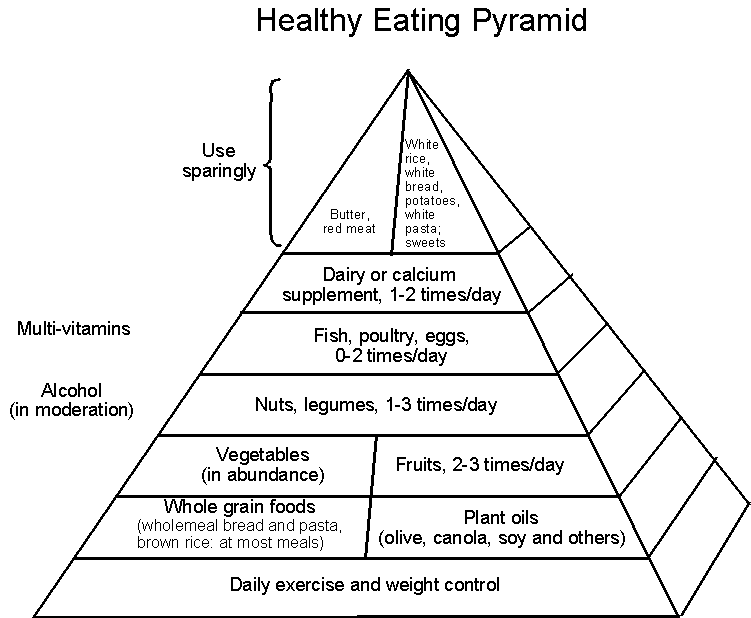
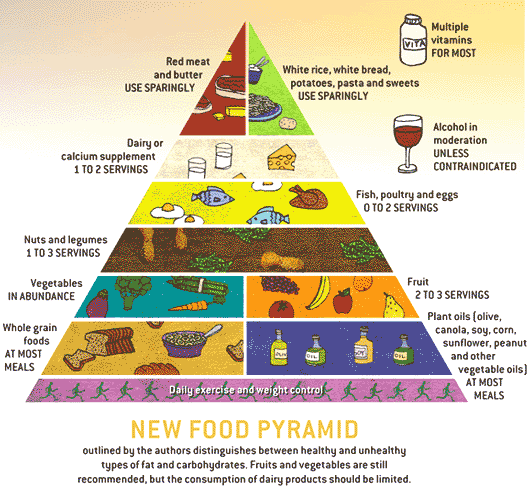
Food and well being is related so much. Epidemiology is a science analyses the correlation between our food habits, life style and health. The recent scientific approach on diet is more supportive to vegetarians and vegans. The recent food crisis and thus related causes are also making vegetarians environmental friendly. So after with due consideration of all these factors, this is certainly a good news and an encouragement for people who want make diet rich in veg and fruits.
See the following food pyramid suggested to for healthy eating and well being suggested by leading epidemiology scientists.


Maintaining healthy eating habits with regular exercise and decent life style are the root causes for health and life span. Of course along with this peace of mind, self sufficiency and time management are major factors influence the health. The later one is resulted due to the former one. The former one is managed due to the later one. They both are correlated. Yoga, Thai-chi and Rekhi are the some techniques followed by many keep both physical and mental balance of the health.

BMI Body Mass Index is ameasure of our well being with respect to body weight and height. It shows the healthy range of the body weight with respect to the height. According to epidemiology this range is lower than the meat eaters. It is 17 to 22.
BMI= weight in Kilograms devided by height square in meters.
To maintain a healthy range of BMI, fruit,veg and grains take major part of the portion in a day we take. The grains provide the necessary carbohydrates. As we all know fruit and veg are packed with rich sources of vitamin and minerals. These are vital for boositng the immune system to protect the body from various deseases, heart strokes and cancers.